Your cart is currently empty

A Formative Impression – Carolyne Loreè Teston
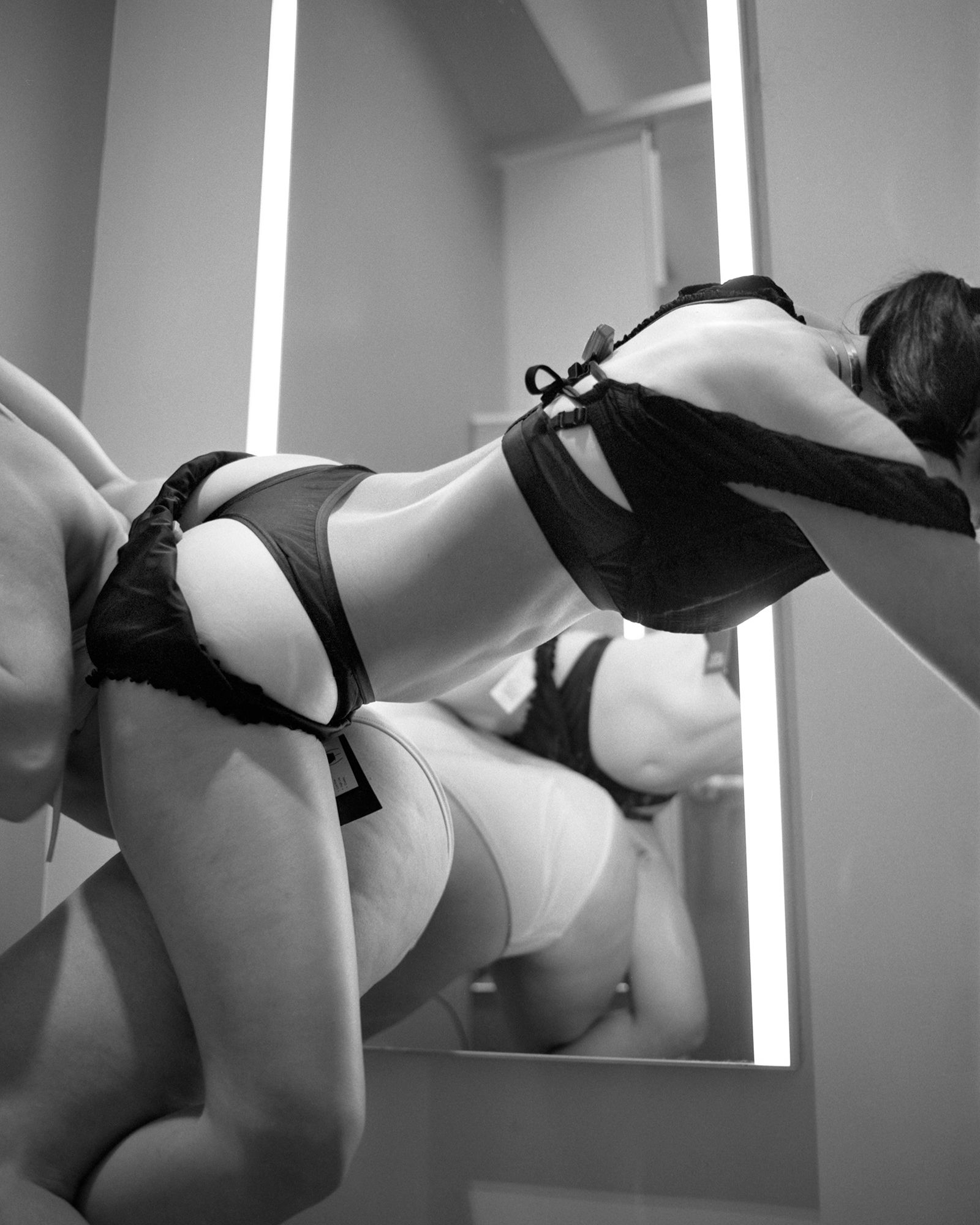
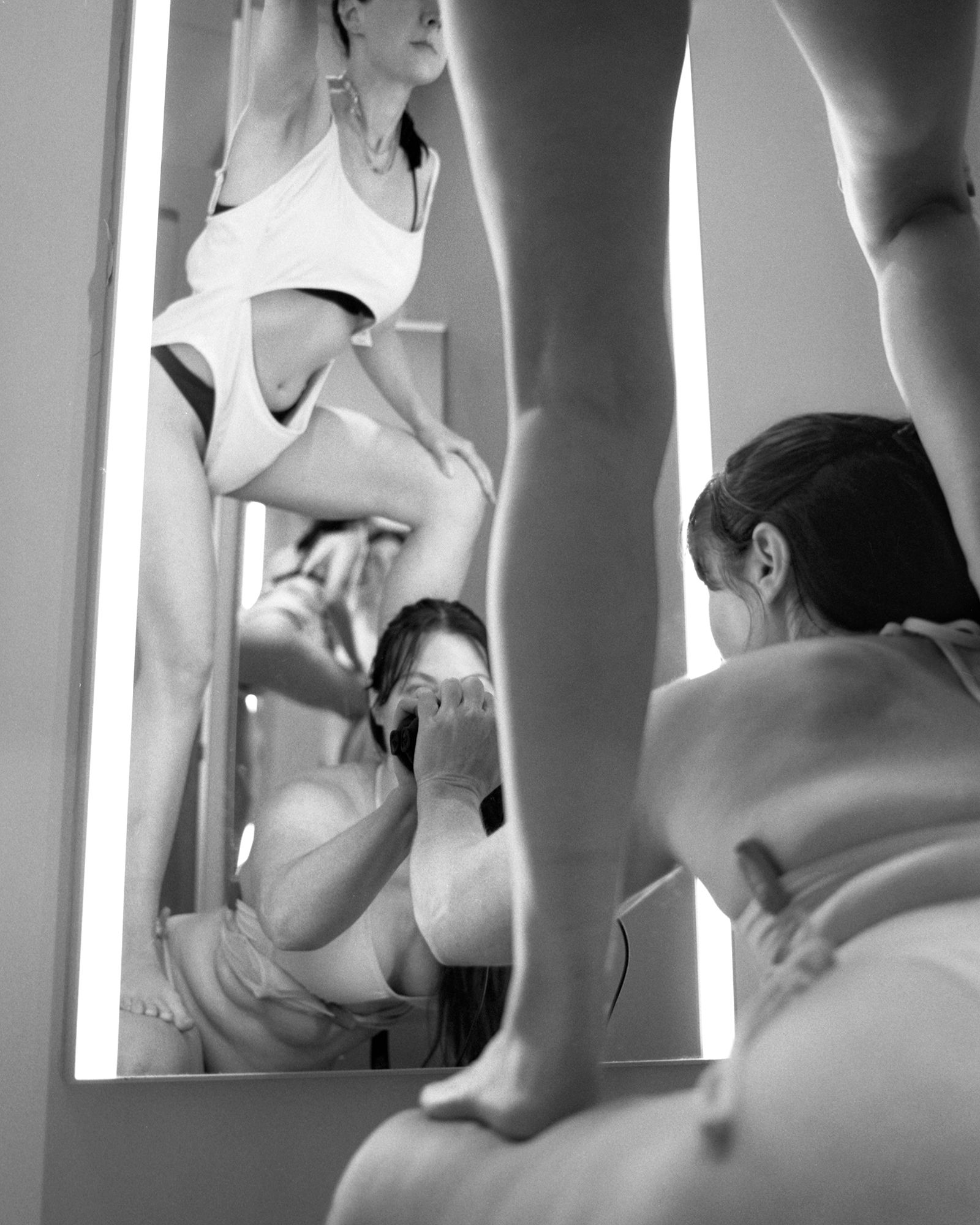
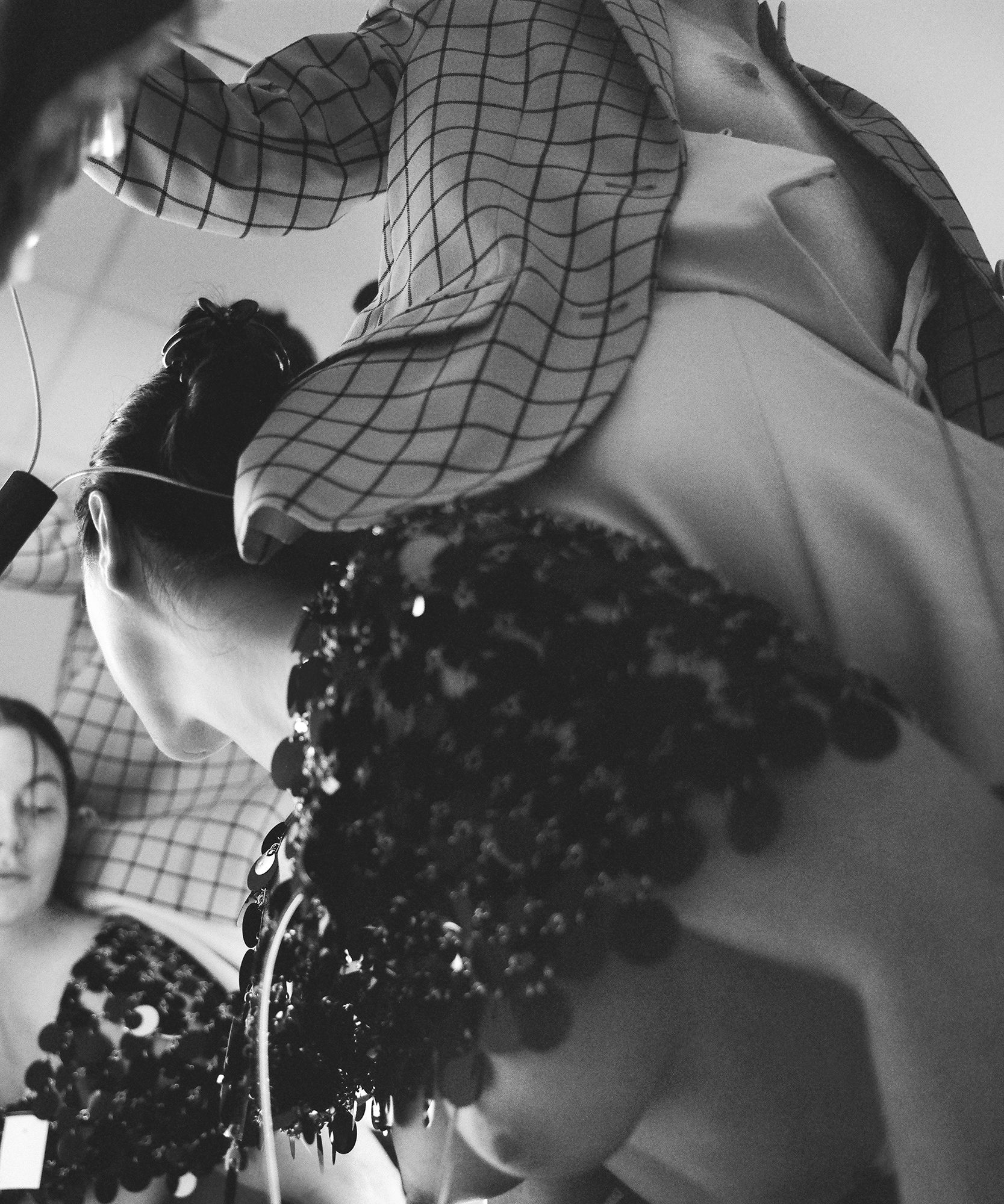
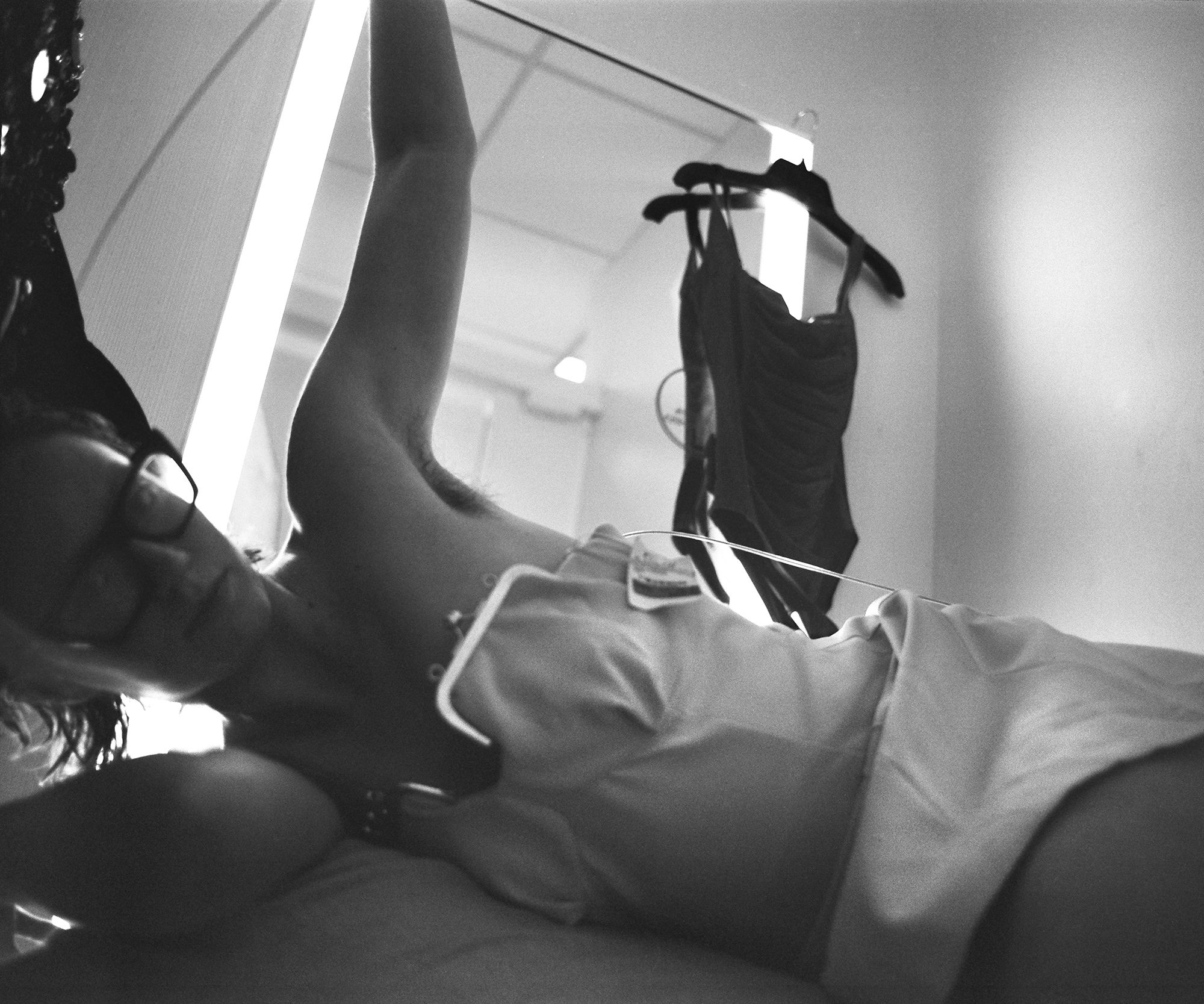
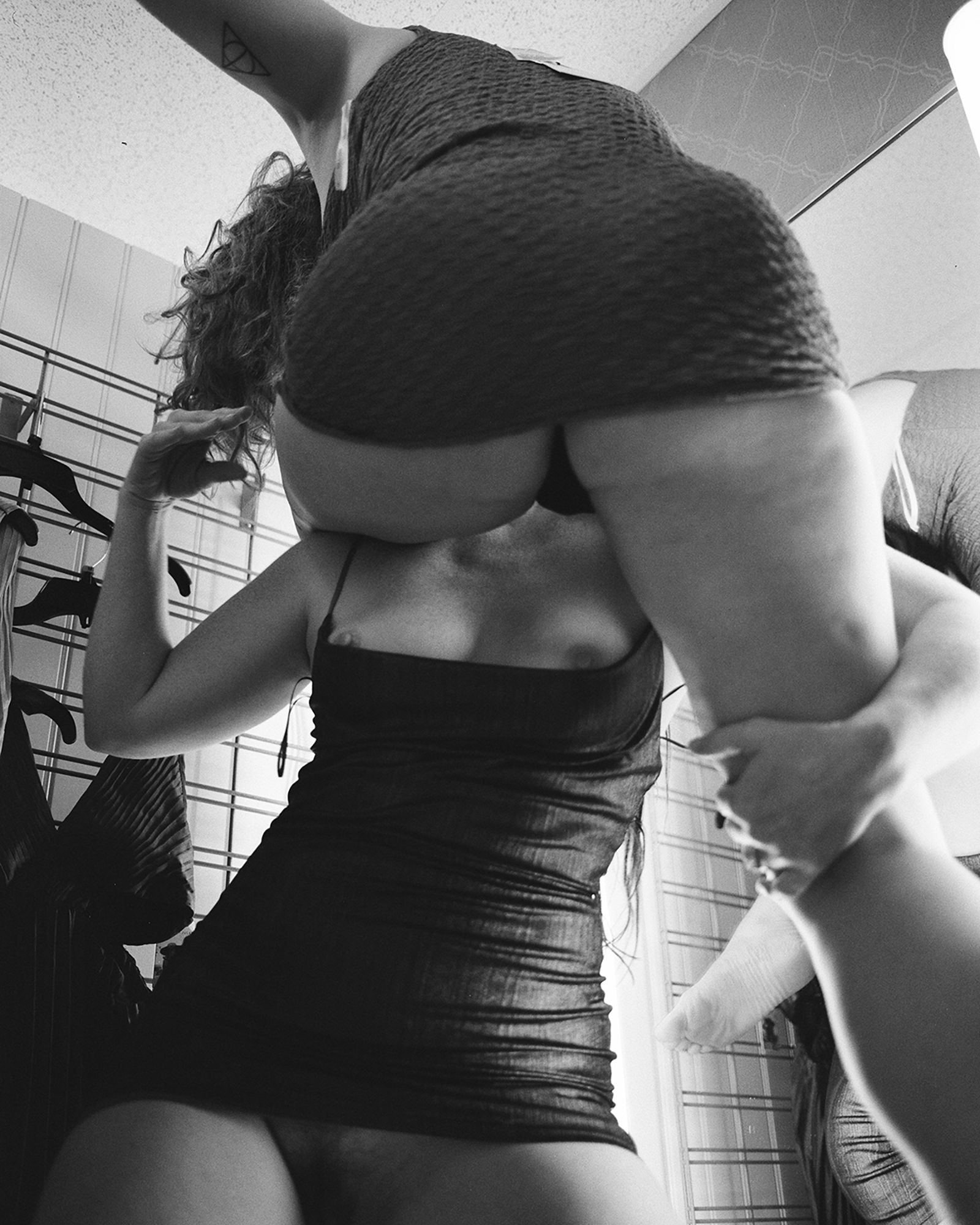
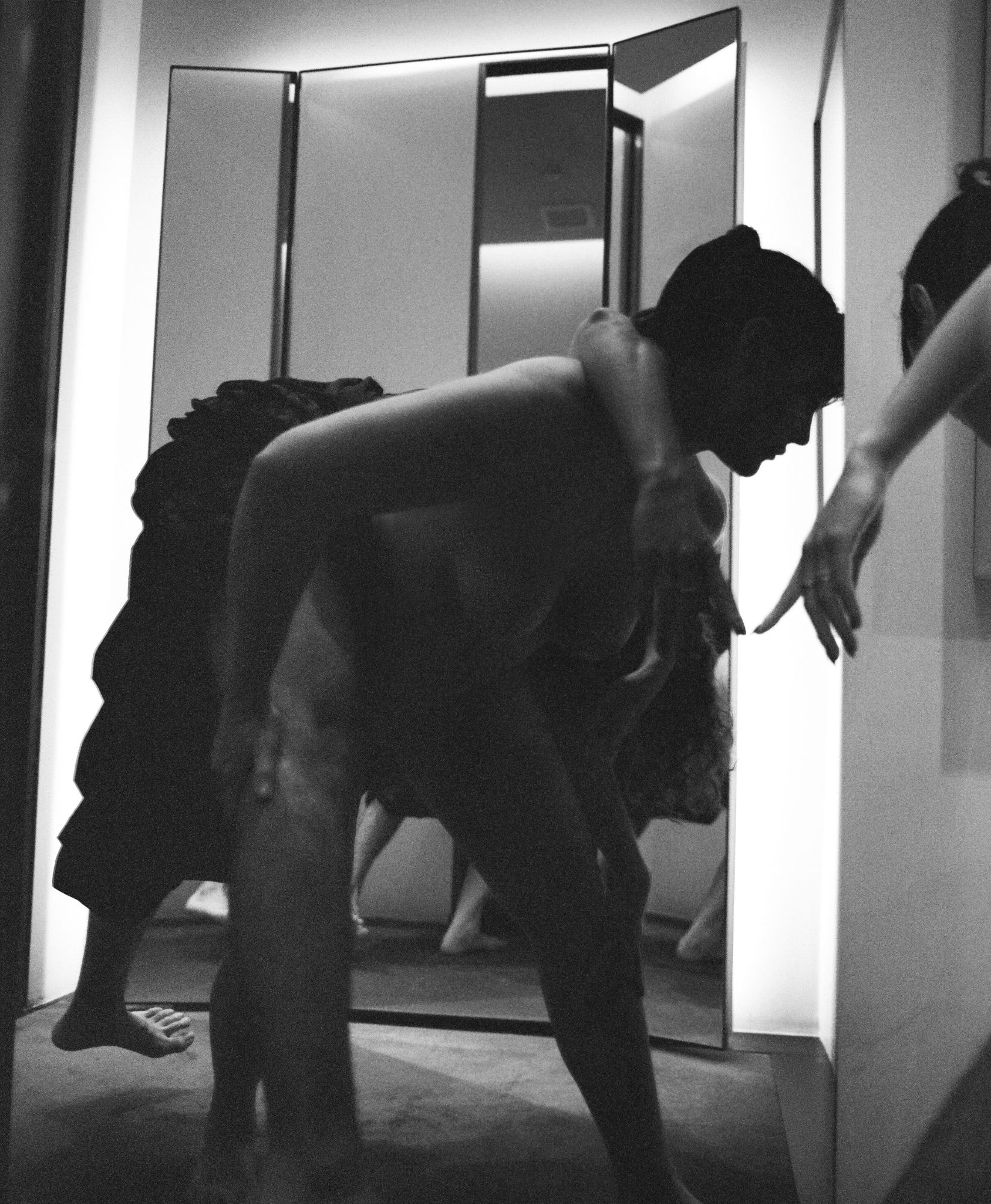
The fitting room functions as a hall of small chambers, where individuals are aligned in a row, each having a deeply personal experience only a few feet apart.
Artist : Carolyne Loreè Teston
Series : A Formative Impression
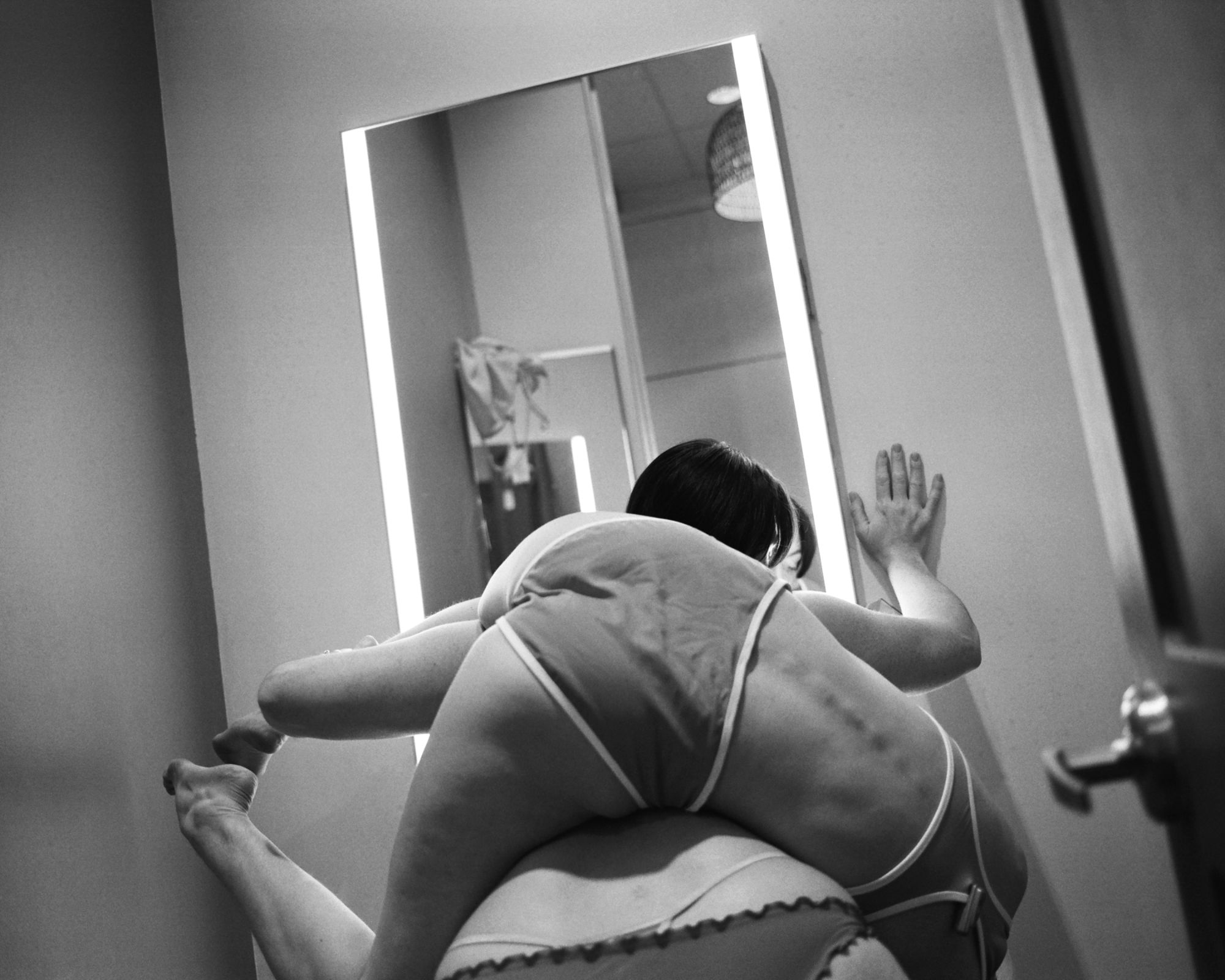
Kiko: Your photographic work is deeply connected to performance, as is this project. How did the concept arise to explore it in this specific place?
Carolyne Teston: My photographic process is rooted in performance, both in the act of making images and in the ways we continuously perform ourselves in everyday life. I began this project in the middle of graduate school while living in upstate New York, at a moment when I felt acutely aware of my own self-presentation and interiority. The landscape there closely resembled where I grew up in the mountains of northern Georgia. Being in a place that wasn’t home but felt uncannily like it, while meeting new people each day, produced waves of adolescent nostalgia. I was often overwhelmed by a vulnerable, surreal sensation of deep familiarity mixed with total newness of place and person.
I found it difficult to focus in my studio on campus, so I would look forward to errands and driving. Anytime I found myself in a store like Target or Walmart to pick up necessities, I was jolted back into high school wandering those same aisles, and I felt a sense of comfort. One afternoon, while trying on a tank top in a Target fitting room and being reflected from three angles at once, I realized that the first time I had ever seen myself so fully and so closely had been in one of these chain stores as a kid.
I was overwhelmed by the realization that such an intimate, emotional, and formative experience had been mediated by a random corporation. This cold thought became the catalyst for the project. The fitting room became both stage and studio for performances of self where I could negotiate, confront, and wrestle with all of my parts.
K: Why the interest in exploring the relationship between private and public, their boundaries and/or interconnectedness?
CT: I’ve always been drawn to the confessional and to moments where interiority presses against visibility. I’m interested in architectural spaces that quietly mirror what is happening among us every day. We stand side by side, yet are unaware of the private worlds unfolding within the person next to us.
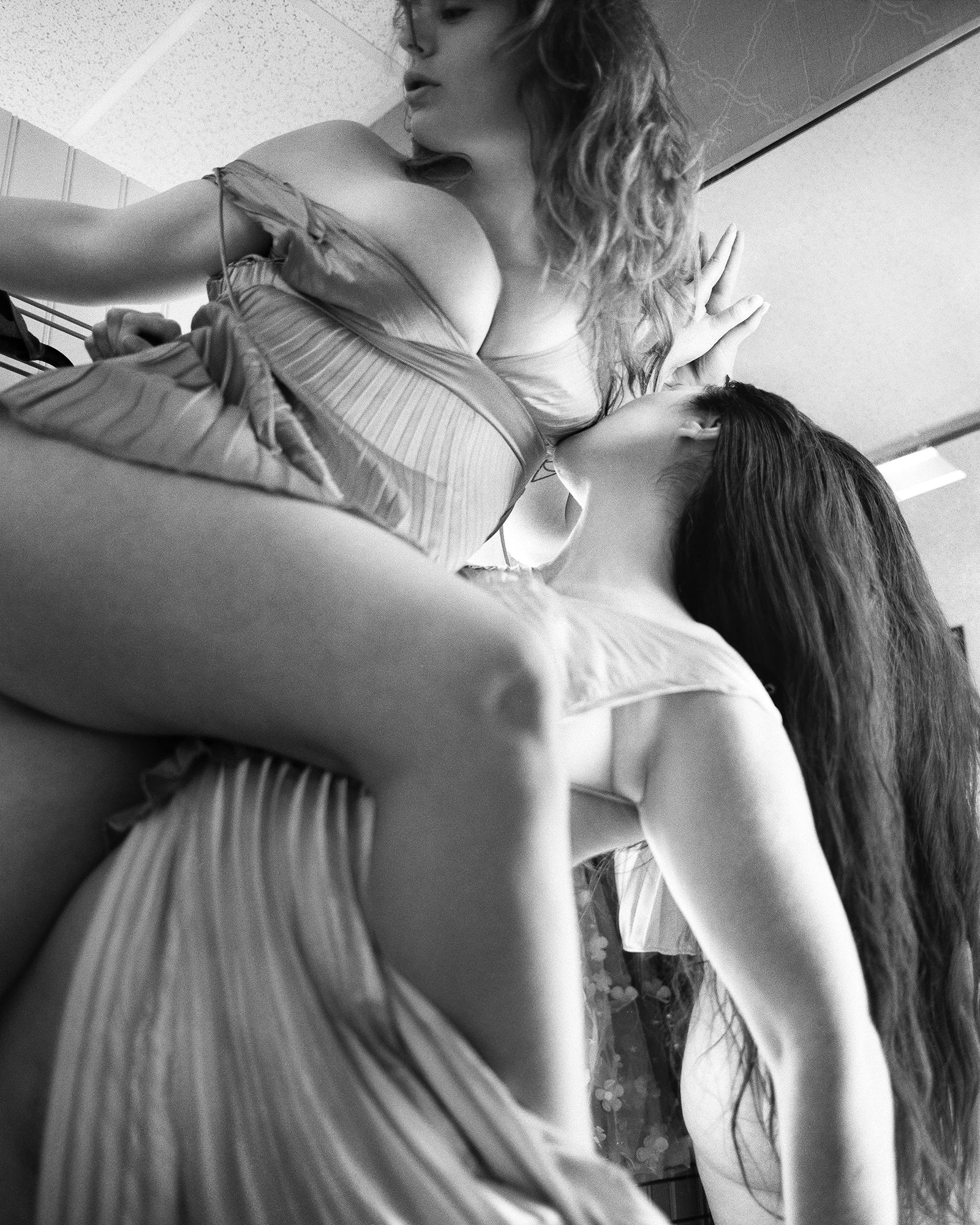
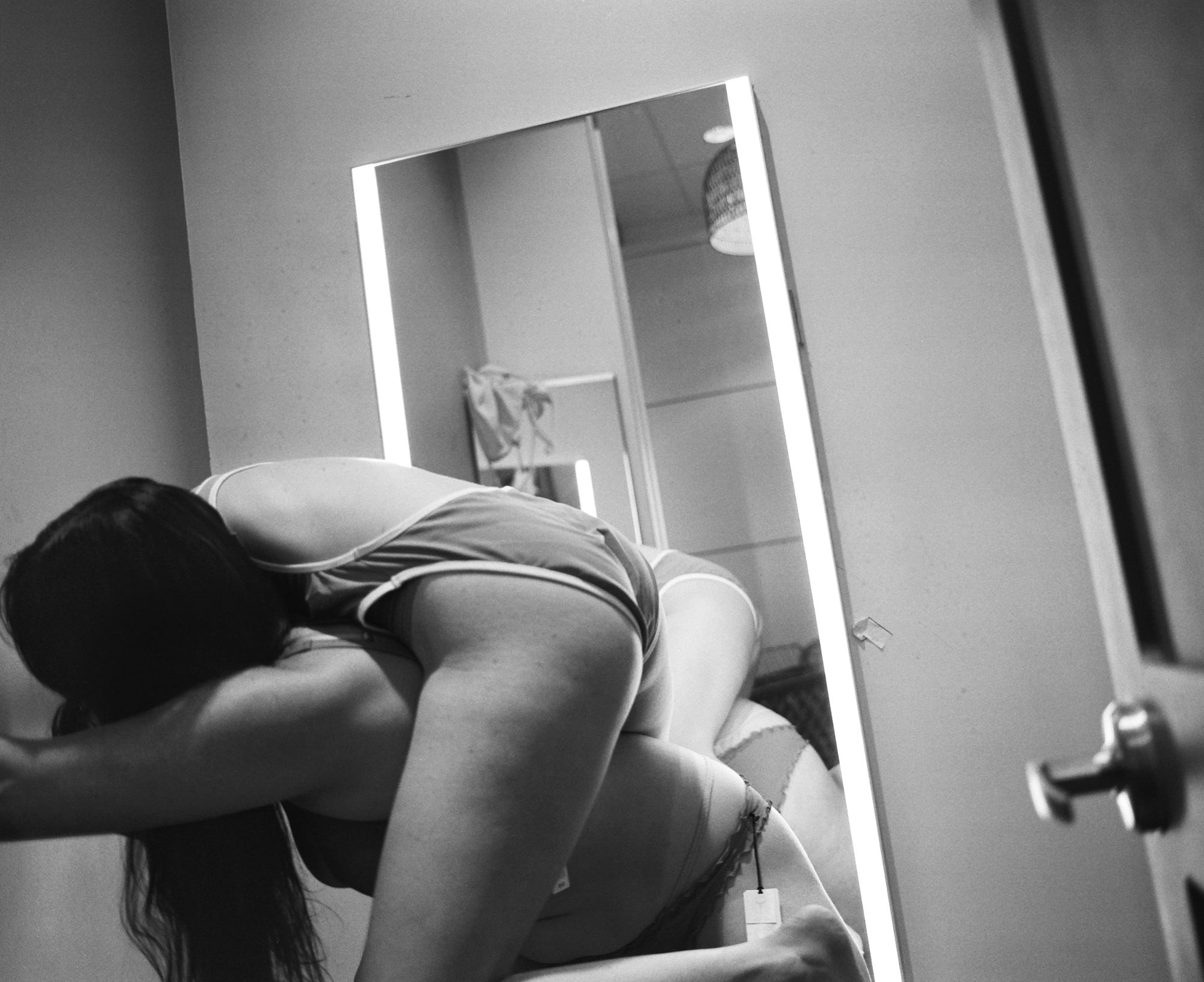
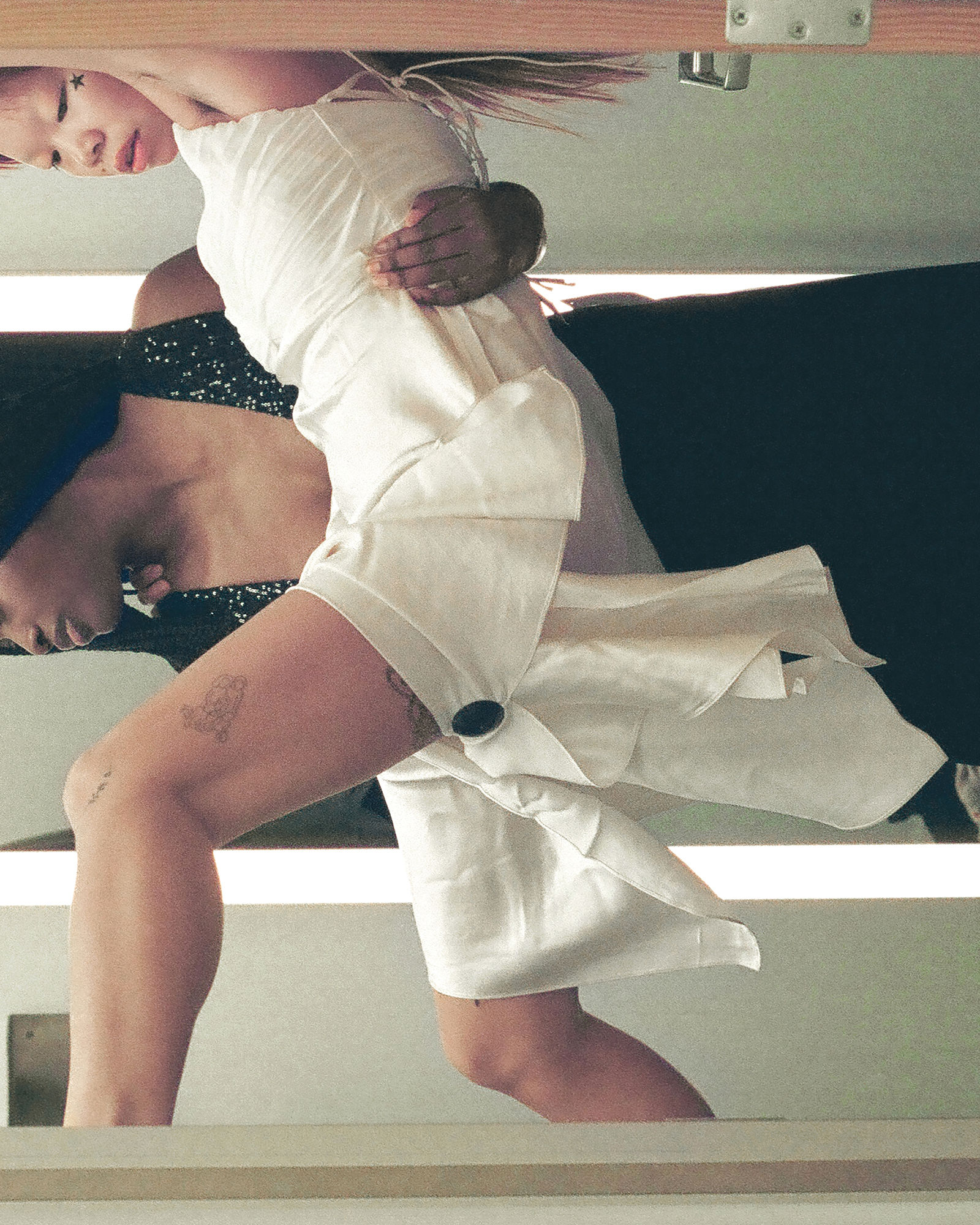
The fitting room functions as a hall of small chambers, where individuals are aligned in a row, each having a deeply personal experience only a few feet apart. In this work, two people are brought into a space specifically designed for one, collapsing the boundary between private and public, forcing surreal compositions, and making interior thoughts performative and shared. The private becomes public, and the public becomes intimate.
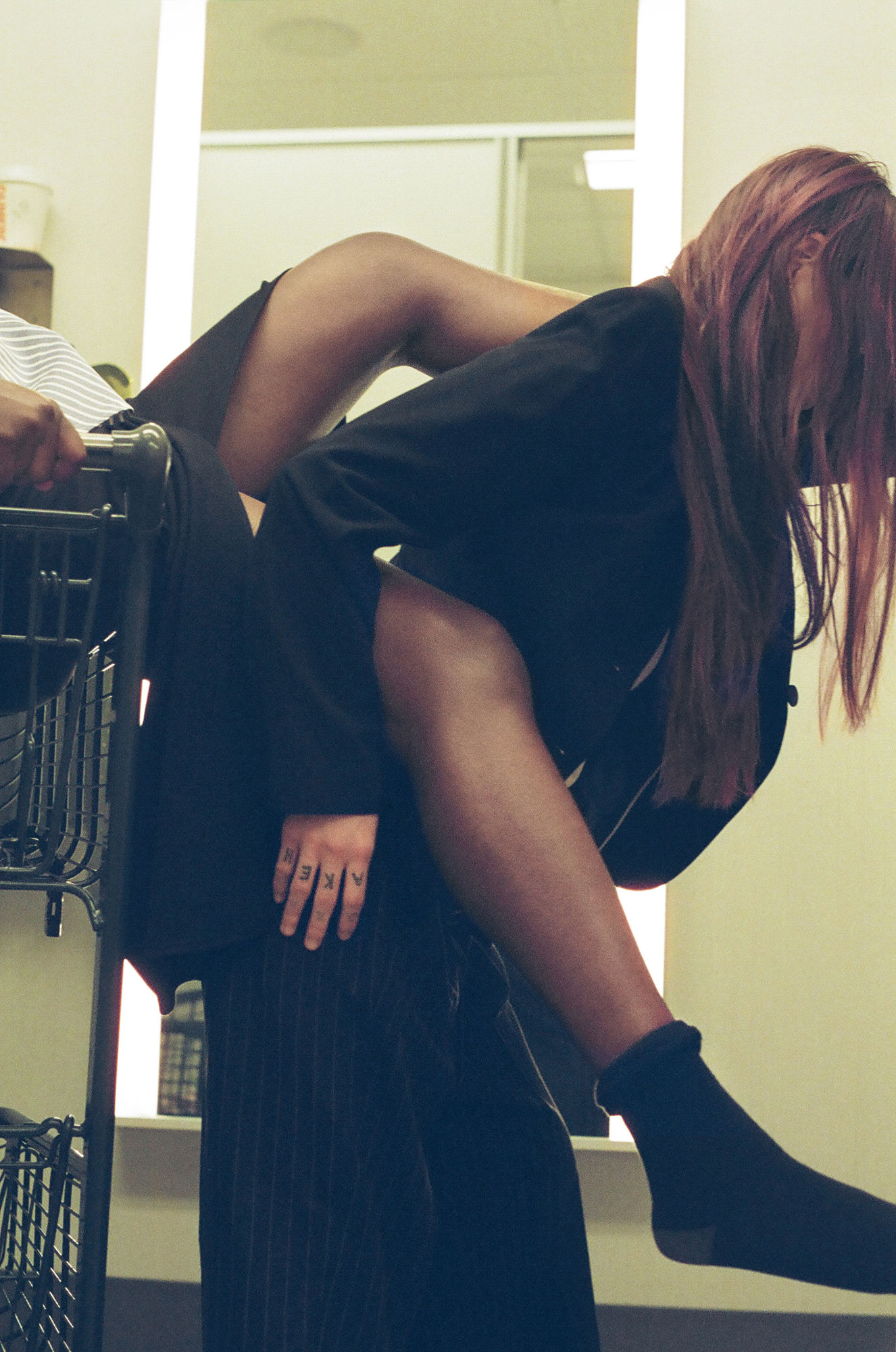
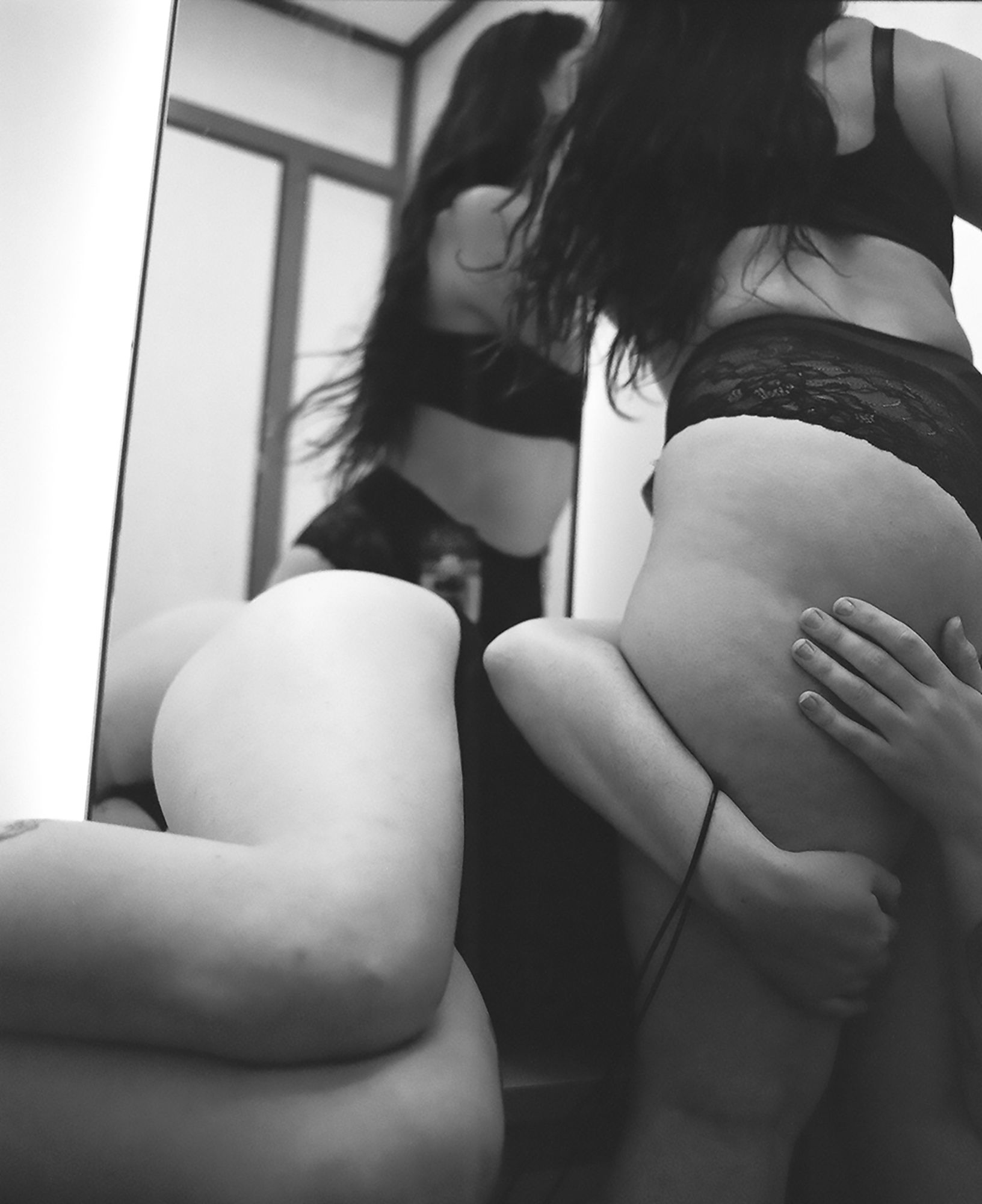
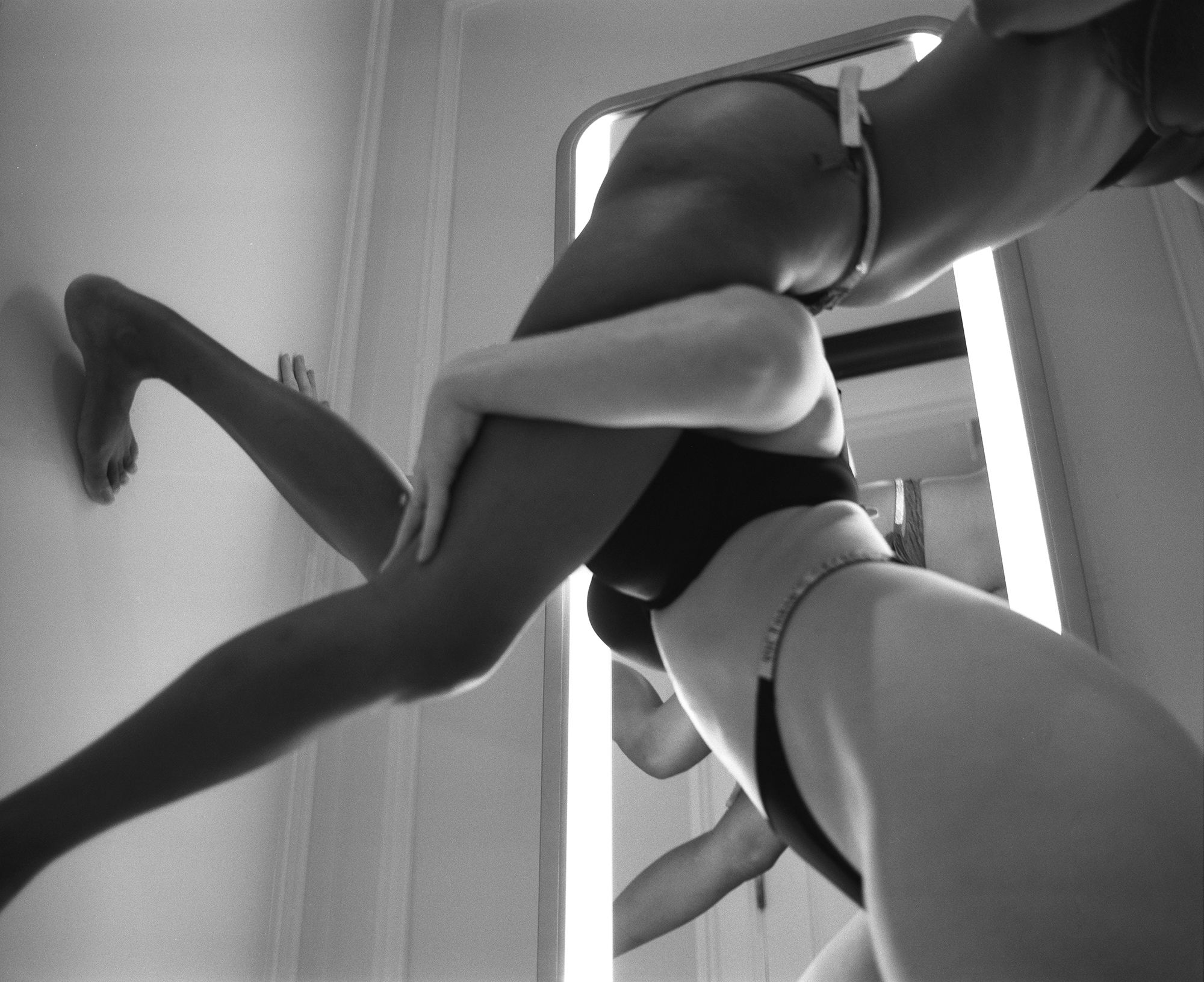
K: While naturally intimate and personal, how does this series deal with the concepts of the self, the body, and femininity?
CT: The fitting room is an intensely charged site of encounter with the self. It stages a confrontation between one’s physical likeness, a lifetime of internalized beauty standards, and a hope that the garment in the room might resolve something.
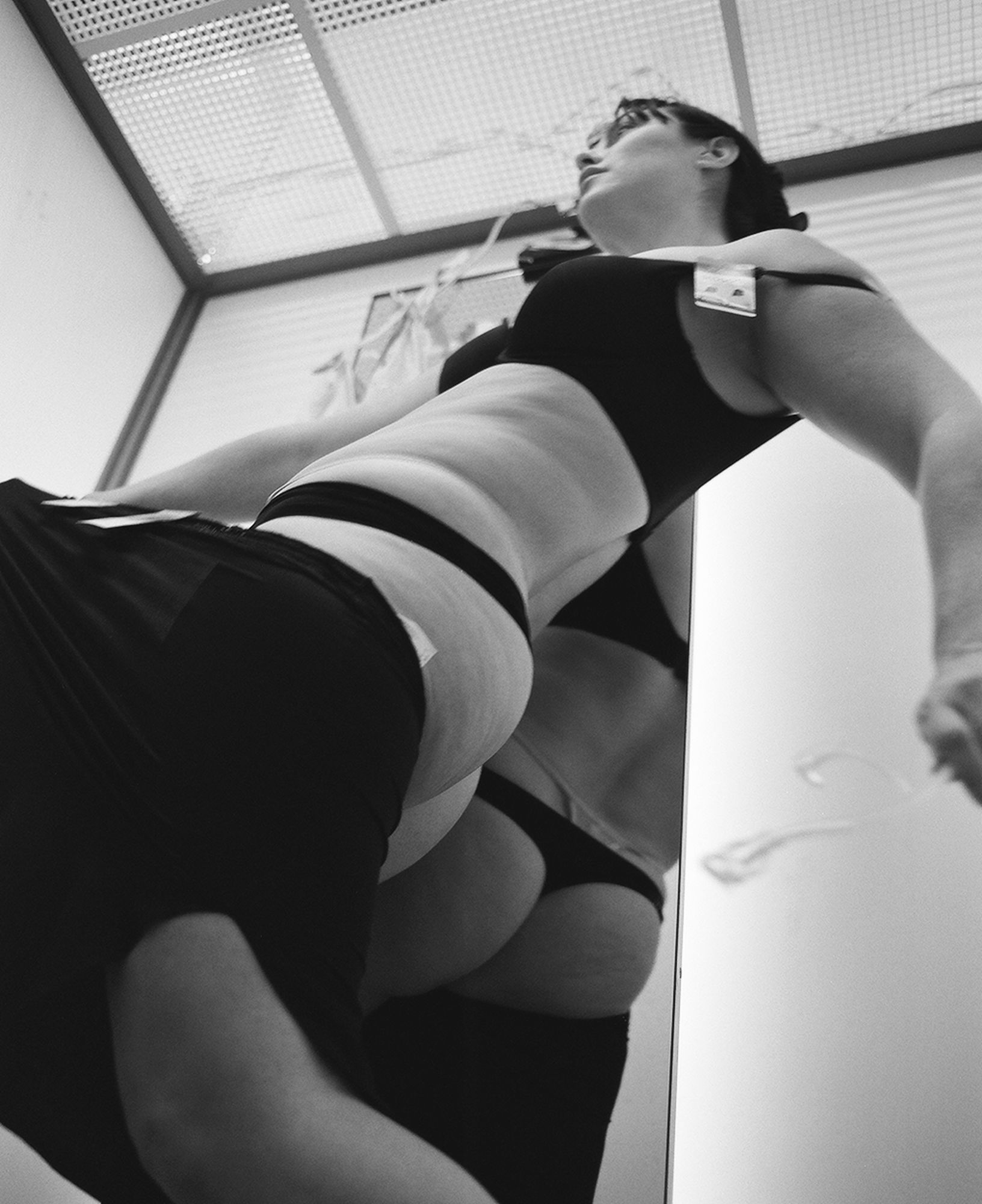
This negotiation occurs under conditions that can feel adversarial, where mirrors multiply the body and lighting accentuates the features one is taught to examine or deny.
Within this space, identity is unfixed and becomes actively negotiated through the body and mind. This work explores the energy required to inhabit oneself and traces the grappling between self-perception, cultural conditioning, and bodily presence.
K: How did using clothes from the actual store fit in the concept, what role does it play in the work?
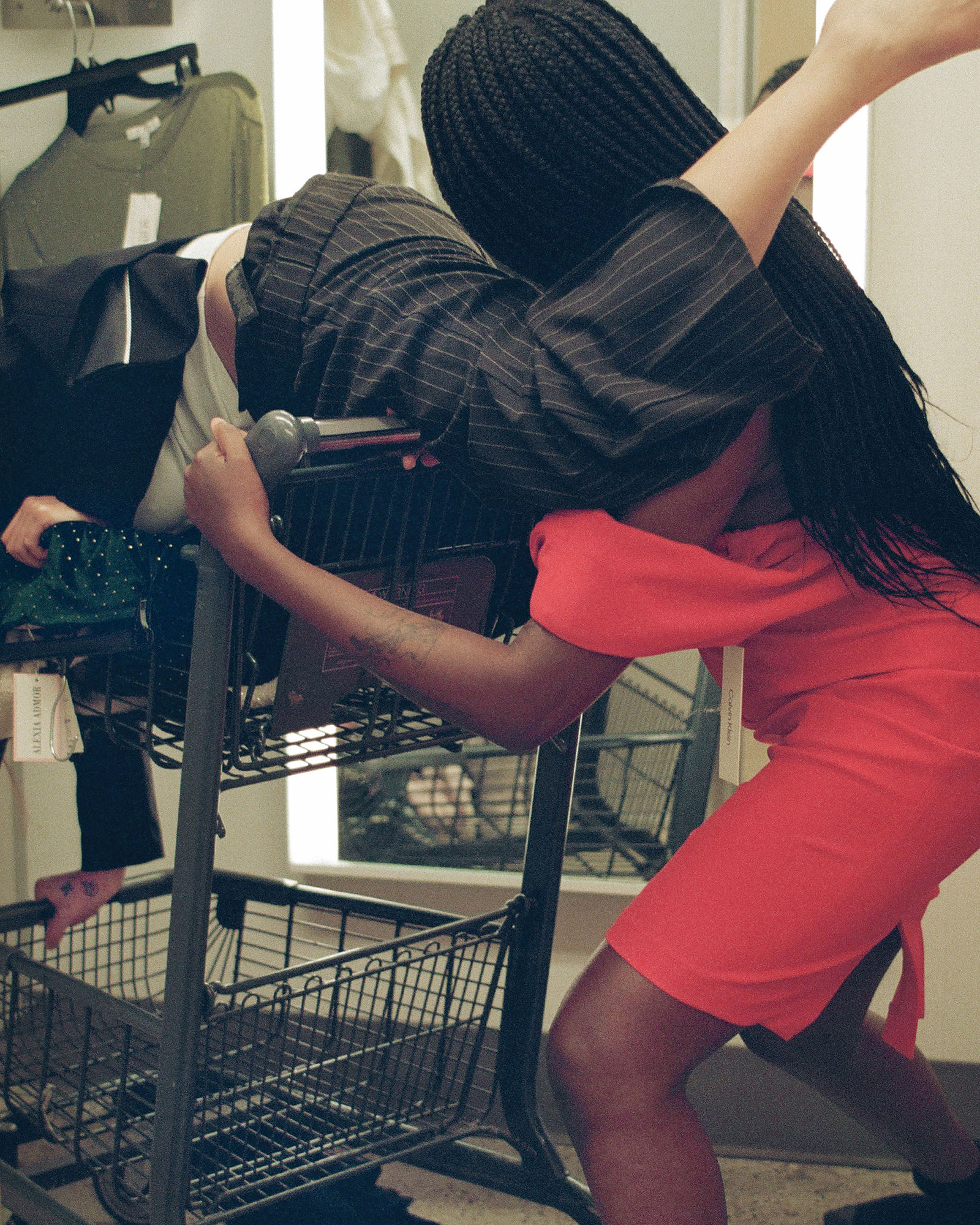
CT: Initially, I imagined the bodies to be nude. On the first day of making images for the project, while at the Kingston Target with Alexa West (a subject and collaborator in the work), she suggested we grab clothes from the store to wear in the photographs. The moment she said it, I understood it was the only possible choice and never looked back.
Using clothing from the actual store adds another layer to the work’s already fixed parameters: the limited physical space, the lighting conditions, and the unknown amount of time permitted in the fitting room. The garments and their visible price tags introduce the weight of commerce, choice, and aspiration into an already charged environment. They tether the work directly to the site and its systems, reinforcing the tension between autonomy and regulation. The fact that I was asked to leave about one third of the time further underscores these constraints as an active part of the work.
© Carolyne Loreè Teston – All rights reserved
Editor : Kiko